Sending Out Workers for the Vineyard
Formed in Tradition.
Trained in Compassion.
Prepared to Shepherd.
“I will give you shepherds after my own heart.” – Jeremiah 3:15
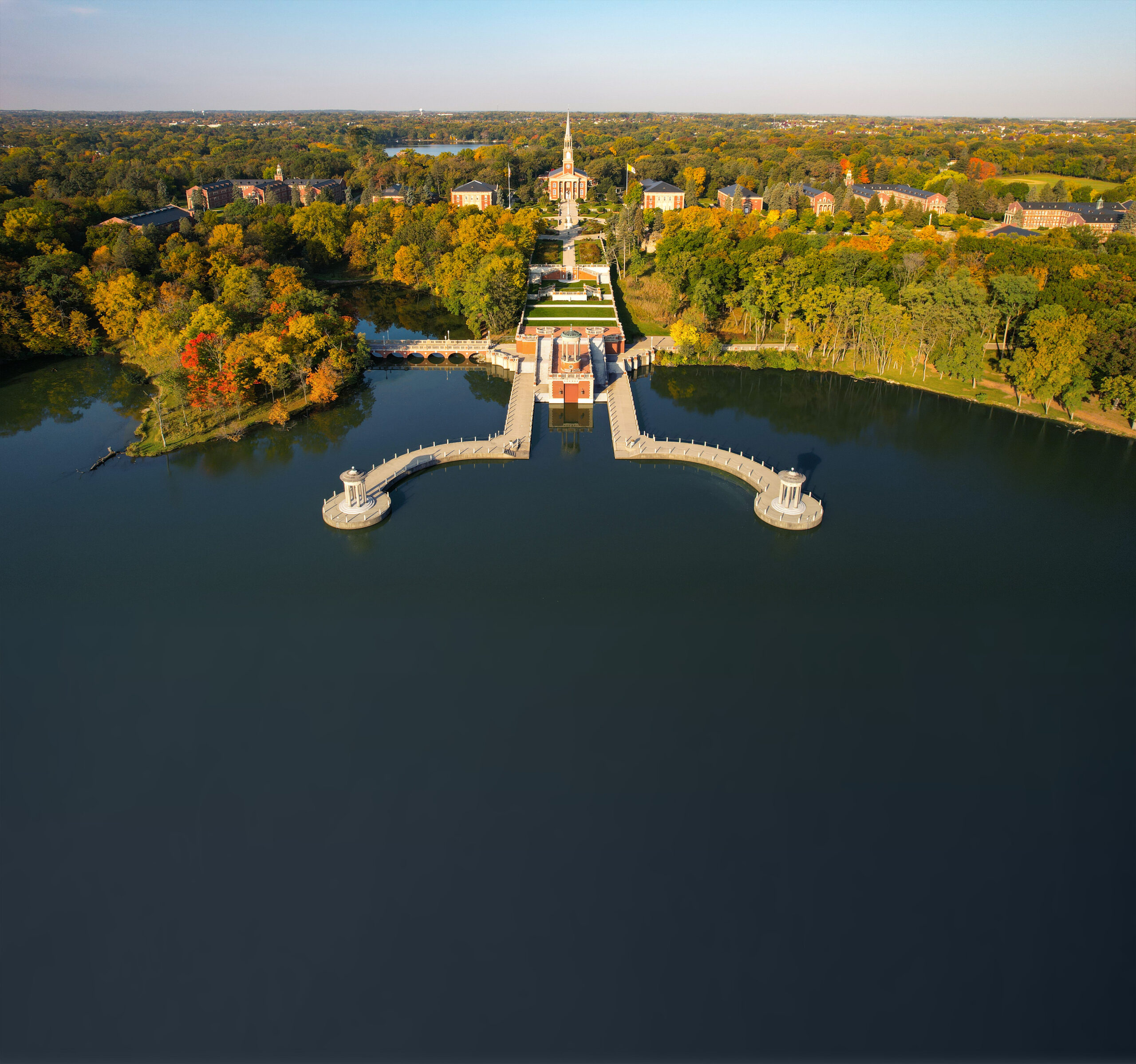
Jesus first formed his disciples by interacting with them directly, then sending them out to encounter others. Through their encounters with others, the disciples’ minds and hearts were conformed to the mind and heart of Jesus Christ. At the University of St. Mary of the Lake, we follow Jesus’ example by grounding all our programs on the principle of encounter-based formation.
Upcoming Events
Upcoming Events
SPLE Open House
 June 27 @ 9:00 am - 12:30 pm at University of Saint Mary of the Lake
Alumni Golf Outing
 July 9 @ 9:30 am - 6:00 pm at Pine Meadow Golf Club
Rector’s Classic
 September 17 @ 10:30 am - 9:00 pm at Pine Meadow Golf Club
University News
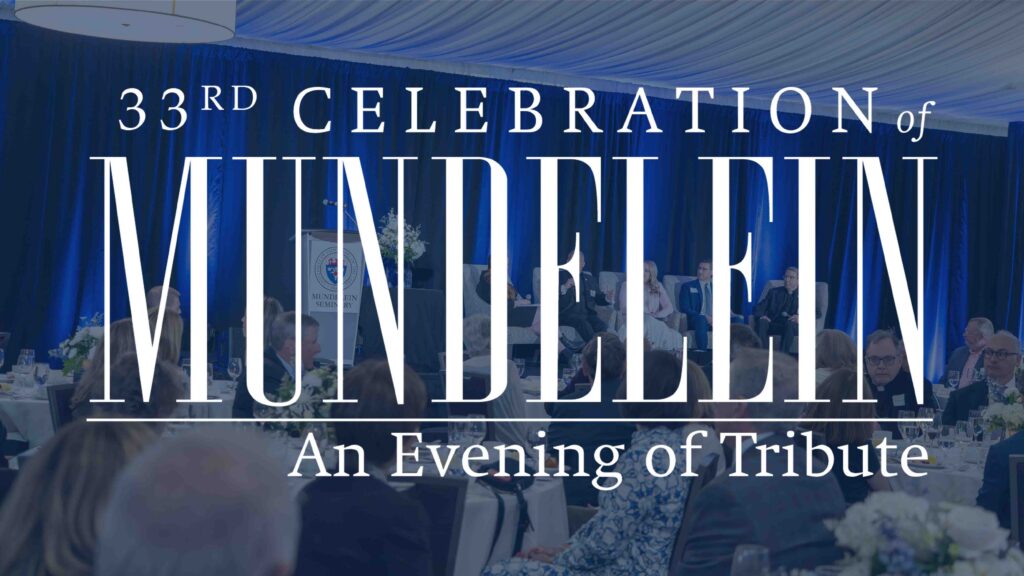
2026 Celebration of Mundelein
Mundelein Seminary hosted the 33rd Annual Celebration of Mundelein, an evening of honor, community, and support, on Wednesday, May 27, at the Lincolnshire Marriott Resort.
2026 Cardinal Meyer Lecture
Dr. Ospino is Professor of Theology and Religious Education at Boston College, Clough School of Theology and Ministry, where he is also the Chair of the Department of Religious Education and Pastoral Ministry. He is originally…
Paluch Lecture – Spring 2026
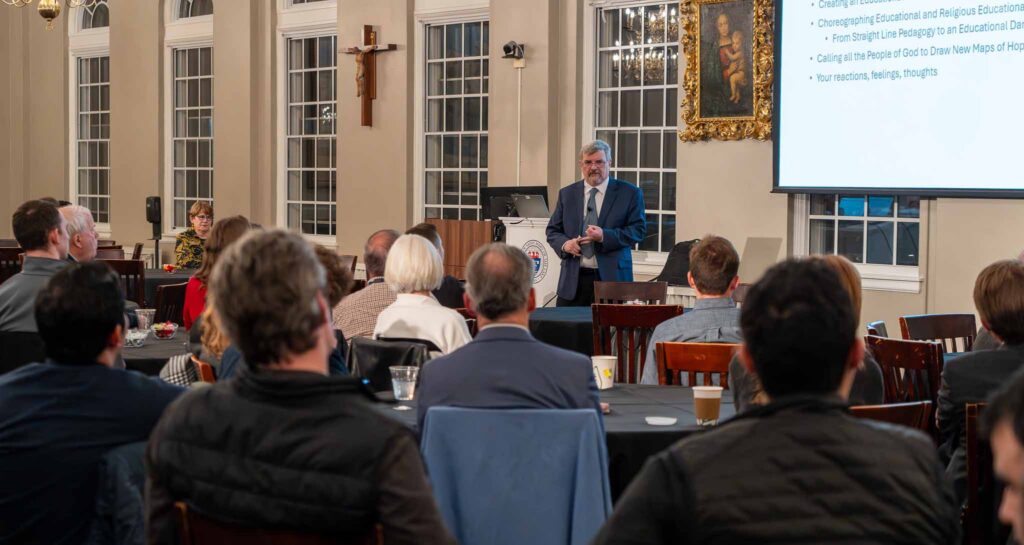
On February 12, 2026, Dr. Harold D. Horell, the Margaret and Chester Paluch Chair of Theology at the University of Saint Mary of the Lake (USML), delivered the Spring 2026 Paluch Lecture titled, The Declaration on Christian…